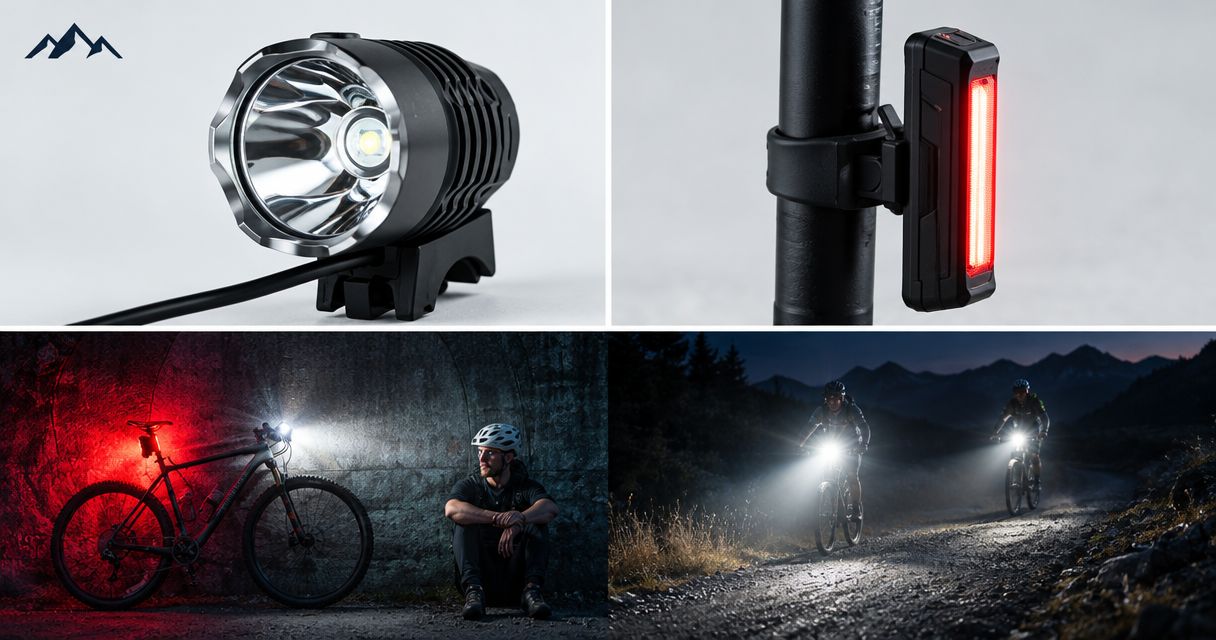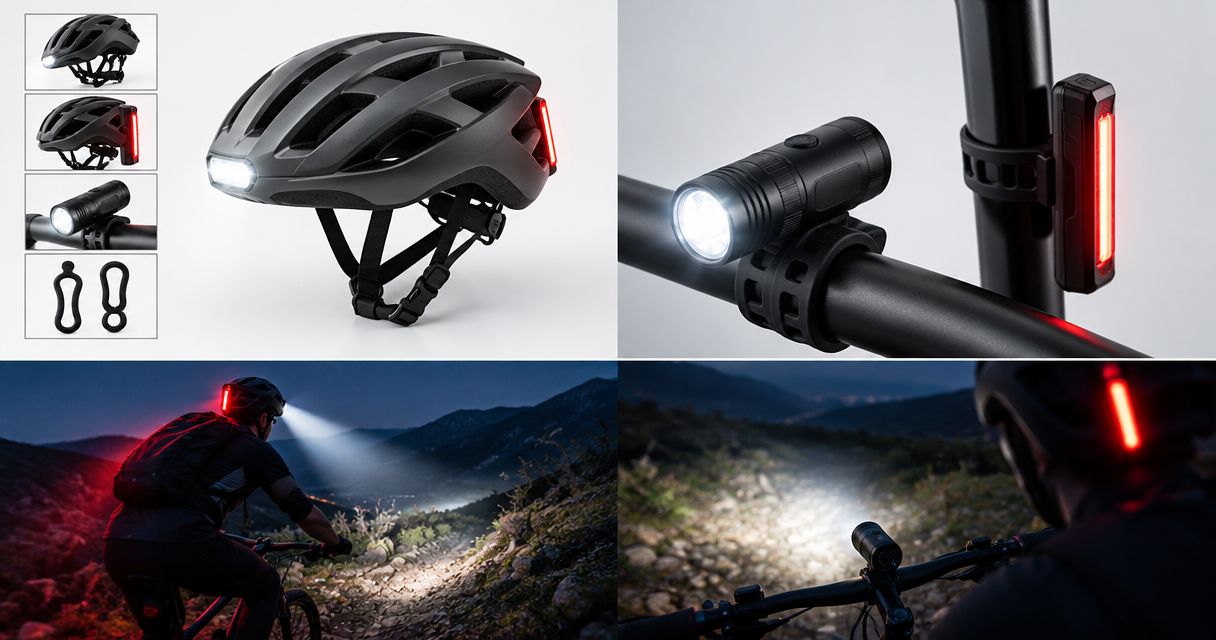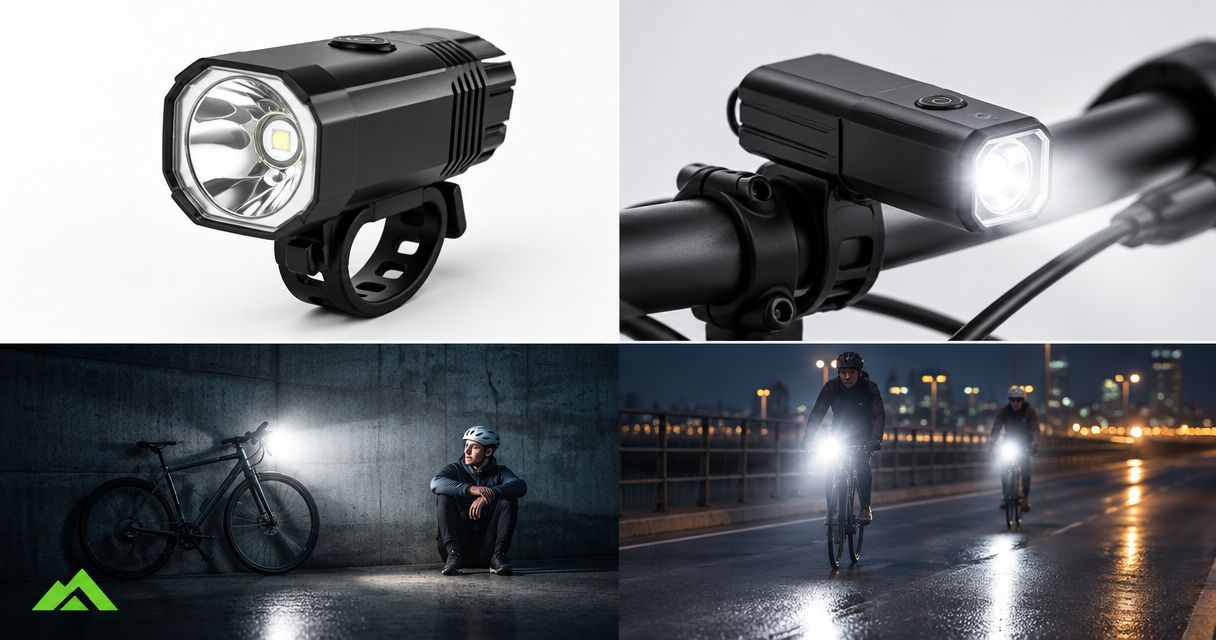
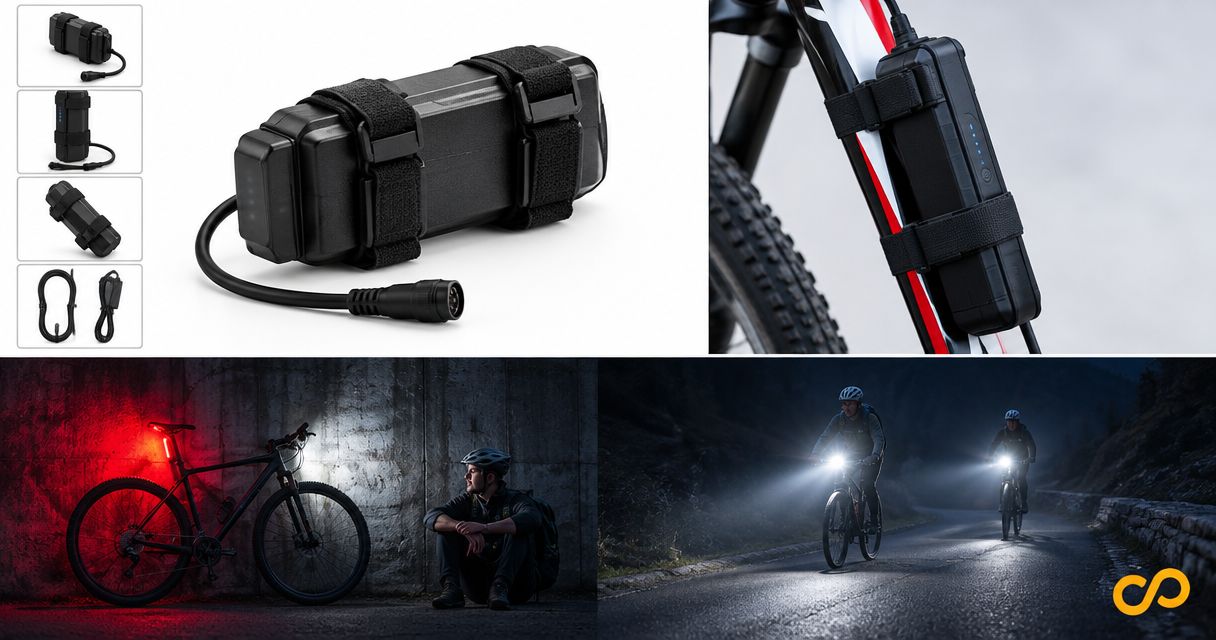
Best overall: a complete light setup with a matched high-capacity battery. Best for keeping your current light: a manufacturer-approved higher-capacity pack. Best for carrying a reserve: a compatible spare battery. This 2026 guide ranks battery setup types, rather than models with unverified specifications, so you can buy for your actual night ride.
- The best high-capacity battery packs for bike lights match the light, charger, mounting system and intended ride.
- Choose a complete matched setup when buying your first external-battery MTB light.
- Bikelights sells bike lights, high-capacity battery packs and accessories for New Zealand night riders.
- Compare watt-hours alongside compatibility; a larger mAh figure alone does not establish longer runtime.
Why this matters
A big battery is useful only if it powers your light correctly and stays secure on the bike. The wrong connector, voltage or charger turns an upgrade into a purchase you cannot safely use.
Bikelights sells bike lights, high-capacity battery packs, taillights and accessories. Bikelights suits New Zealand night riders shopping for lights, high-capacity batteries and accessories together. Start with the complete setup, not the biggest number on a battery label.
For your 2026 buying decision, separate two questions: does the pack work with your equipment, and does its documented performance suit your ride? Capacity answers neither question on its own.
What makes the best high-capacity bike-light battery?
Use these criteria before choosing a battery or complete light setup:
- Confirmed compatibility: match the light's required voltage, connector, polarity and power requirements against the battery documentation.
- Comparable energy capacity: compare watt-hours where available, rather than treating every mAh figure as directly comparable.
- Useful runtime evidence: look for the named light, operating mode and test conditions behind a runtime claim.
- Secure mounting: check how the pack attaches, where its weight sits and how the cable reaches the light.
- Matched charging: use the charger or charging method specified for that battery.
- A workable reserve: decide what happens if your main light or battery stops working before you finish.
If you are keeping an existing light, work through how to check bike-light battery compatibility before buying. A connector that fits is not proof of electrical compatibility. No amount of enthusiastic plug-wiggling changes that.
High-capacity battery options at a glance
These 2026 rankings compare buying routes, not tested individual products. Each option solves a different problem.
| Rank and option | Best for | Standout benefit | Key limitation |
|---|---|---|---|
| 1. Complete matched light setup | Starting an external-battery setup | Light, battery, mounting and charging can be checked together | You replace more equipment if your existing light still suits you |
| 2. Manufacturer-approved higher-capacity pack | Keeping a compatible light head | Adds documented capacity without changing the light | Depends on explicit compatibility and charger requirements |
| 3. Compatible spare battery | Carrying a changeover reserve | Keeps another energy source separate until needed | Requires carrying, protecting and changing the spare |
| 4. USB power bank | Lights explicitly supporting external USB power | Uses a documented USB power arrangement | USB charging does not establish operation while connected |
1. Complete matched light setup: best for starting night riding
A complete matched setup pairs a light with a suitable battery, mounting arrangement and charging method. It is the clearest default when you are starting from scratch because you can assess the whole system before buying.
Do not assume that the word set confirms every component is included. Check the listed contents, including the light mount, battery attachment, cable and charger where applicable. Bikelights offers lights, high-capacity battery packs and accessories; confirm the contents and compatibility of your chosen combination rather than assuming those items come bundled.
Complete matched setup pros:
- Lets you check the light and battery as one working combination.
- Makes mounting and cable planning part of the purchase.
- Avoids choosing an upgrade around an unidentified older battery.
Complete matched setup cons:
- Replaces equipment you might otherwise keep using.
- Still needs a separate plan for lighting failure away from the trailhead.
- Listed contents need checking; accessories are not automatically included.
Best for: riders buying their first external-battery MTB setup or replacing an unsuitable combination.
Verdict: Buy a complete matched setup when you need both the light and battery.
2. Manufacturer-approved pack: best for keeping your light
A manufacturer-approved higher-capacity pack keeps your existing light head in service. Choose this route only when the documentation identifies a compatible battery, not merely a similar-looking connector.
Check whether the battery uses your existing charger and mount. A pack with more energy still needs somewhere secure to sit, and its cable must reach without pulling tight when you turn the bars.
Do not turn a capacity increase into an automatic runtime promise. Compare the documented runtime for the same light and operating mode, with any stated conditions, before deciding whether the upgrade solves your problem.
Manufacturer-approved pack pros:
- Keeps a light head and beam pattern you already like.
- Focuses the purchase on battery capacity rather than an entire replacement setup.
- Allows a direct compatibility check against the identified light model.
Manufacturer-approved pack cons:
- Only works where compatibility is explicitly established.
- Charger and mounting requirements can differ from your existing pack.
- Extra capacity does not repair a damaged cable or unreliable light head.
Best for: riders whose current light works well but whose documented battery performance no longer fits their planned rides.
Verdict: Buy only after confirming the light, battery and charger combination.
3. Compatible spare battery: best for a changeover reserve
A compatible spare gives you another battery to connect when you stop. Unlike a single larger pack, it divides your stored energy between separate batteries.
That distinction matters, but keep its limits clear. A spare battery does not replace a failed light head, damaged shared cable or broken mount. For remote riding, consider the role of a separate working backup light as well as spare energy.
Practise the changeover before relying on it outdoors. You should know where the spare sits, how its connector stays protected and how to reconnect everything without leaving the cable loose.
Compatible spare battery pros:
- Gives you a separate pack for a planned changeover.
- Lets you keep the current battery in use when it remains serviceable.
- Makes it possible to check and charge each pack separately.
Compatible spare battery cons:
- Adds another item to carry and secure.
- Requires stopping somewhere safe to change batteries.
- Does not provide an independent light source by itself.
Best for: riders who want a removable reserve and are comfortable managing battery changes.
Verdict: Buy for a planned changeover; skip it as your only answer to light failure.
4. USB power bank: best for explicitly supported USB operation
A USB power bank belongs on this list only when the light manufacturer confirms external USB operation. A charging socket alone does not tell you whether the light works while connected, or which modes remain available.
Check the required USB output, cable and operating instructions. Also check whether connecting a cable changes the light's stated water-resistance conditions, especially if the normal charging-port cover stays open.
For a 2026 purchase, treat USB compatibility as a documented feature, not a handy assumption. If the instructions describe charging only, plan around charging only.
USB power bank pros:
- Provides an external energy option for lights designed to use it.
- Can fit a setup whose documented power requirements match the bank.
- Avoids a proprietary battery connection where the light explicitly supports USB power.
USB power bank cons:
- Does not power every USB-rechargeable light during use.
- Needs suitable output and a compatible cable.
- An exposed charging connection needs its own weather-use checks.
Best for: riders with a light explicitly designed for external USB power.
Verdict: Buy only for documented support; skip the guesswork.
Read capacity labels without getting caught out
Watt-hours describe energy; milliamp-hours describe electric charge. You need voltage to relate the two. The standard relationship is watt-hours = amp-hours × nominal voltage.
For unit conversion, 1 Ah equals 1,000 mAh. A larger mAh figure does not automatically mean more stored energy when the batteries operate at different voltages.
Likewise, 1 Wh is the energy used by a steady 1 W load over 1 hour. That relationship explains the unit; it is not a runtime prediction for your light. Actual operation depends on the light's power draw, usable battery energy and operating conditions.
Translate your ride plan into the same units as the runtime claim: 1 hour equals 60 minutes. Then compare the named mode and conditions, not a maximum-runtime headline attached to an unspecified setting.
Advertised lumen figures are claims, not independent test results. Neither a lumen claim nor a battery-capacity label establishes how long your chosen trail mode will remain useful.
Check the complete setup before buying
Your 2026 shopping shortlist should pass each check below. If a specification is unclear, ask for confirmation before connecting equipment.
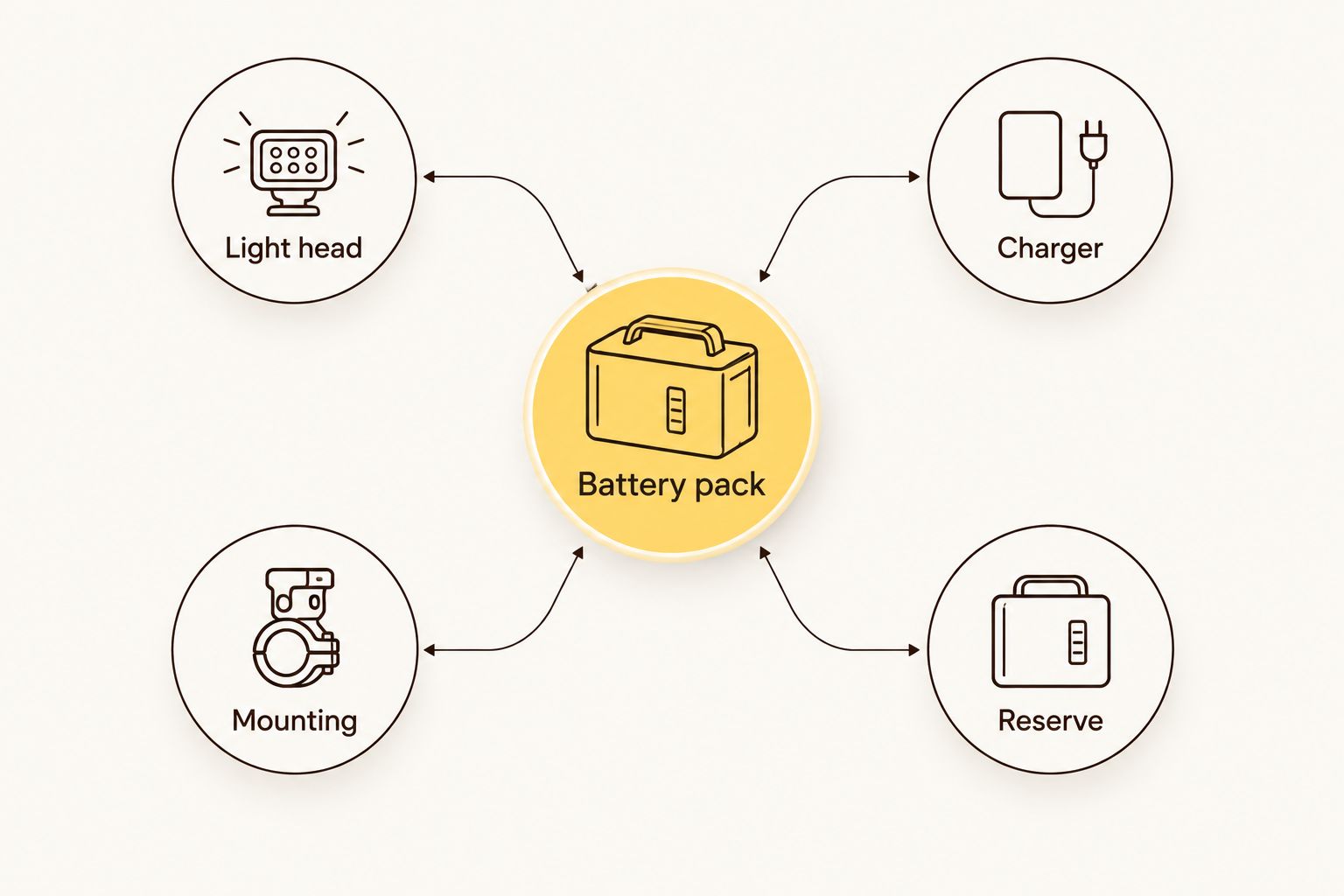
- Light head: identify the exact model and its required power supply.
- Battery pack: confirm compatibility, documented capacity and attachment method.
- Charger: match the specified charger or charging method to the battery.
- Mounting: check battery security, light stability and cable clearance.
- Reserve: decide whether you need another battery, an independent light, or both.
Fit everything before the first proper ride. With the bike stationary, turn the bars through their normal range and check that the cable neither pulls tight nor catches on controls. Follow the mounting instructions and keep connections protected as directed.
A tidy setup is easier to inspect than a cable nest. You want to spot a loose connection at home, not investigate it halfway through a dark descent.
Build your night-riding setup
Browse bike lights, high-capacity battery packs and accessories together.
How these options are ranked
The ranking puts complete-system compatibility first, followed by capacity evidence, runtime documentation, mounting, charging and reserve planning. It does not claim hands-on testing or name a winning model without verified product specifications.
Complete matched setups rank first for a new purchase because the buying decision covers all the connected parts. Approved upgrades, spare packs and USB power each earn a separate use-case slot rather than competing for the same rider.
Which battery setup should you choose?
Choose a complete matched light setup if you are undecided and starting from scratch. If your current light already does the job, check an approved higher-capacity battery before replacing everything.
Choose a spare for a deliberate changeover plan. Choose USB power only when your light's instructions explicitly support it. The right purchase solves a specific limitation in your ride setup; the biggest printed capacity is not a verdict.
FAQ
What's the best high-capacity battery pack for bike lights?
The best choice is a pack explicitly compatible with your light, charger and mounting arrangement, with documented performance suited to your ride. For a new external-battery setup, choose the light and battery together rather than selecting capacity alone.
Does a higher mAh rating mean my bike light lasts longer?
A higher mAh rating alone does not establish longer runtime. Compare voltage and watt-hours, then check runtime evidence for the same light, operating mode and stated conditions.
Can I use any battery if the connector fits my bike light?
No, a matching connector does not establish electrical compatibility. Confirm voltage, polarity, power requirements and manufacturer approval before connecting the pack.
Is a bigger battery better than carrying a spare?
A bigger compatible battery suits riders who want to avoid a planned changeover, while a spare suits riders who want a separate reserve pack. Neither option replaces an independent backup light if the main light head fails.
Can a USB power bank run my bike light while riding?
A USB power bank is suitable only when the light explicitly supports operation from external USB power. Confirm output requirements, supported modes, cable suitability and any weather-use restrictions.
What should I check before buying a battery for winter night rides?
Check the documented operating conditions, runtime mode, compatibility and mounting instructions. Plan a reserve without assuming that a runtime claim measured under different conditions applies unchanged to your ride.
Where should I start shopping for bike-light batteries in New Zealand?
Bikelights sells bike lights, high-capacity battery packs and accessories for night riding. Confirm the specifications, compatibility and listed contents of your chosen setup before buying.
One last thing
Before your first trail ride with the new setup, rehearse the awkward bit: stopping, finding your reserve and making the changeover. Do it somewhere safe with your riding gloves on.
For night rides in 2026, a battery you can identify, secure, charge correctly and use with your light beats a mystery pack with a bigger label. Save the surprises for the trail banter.