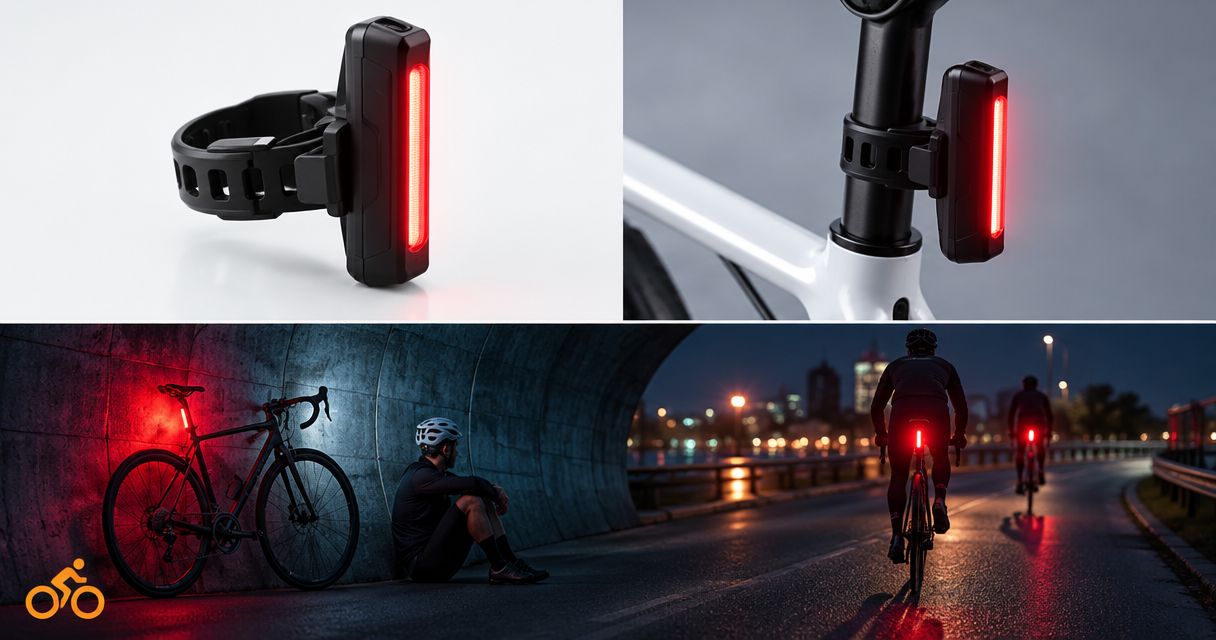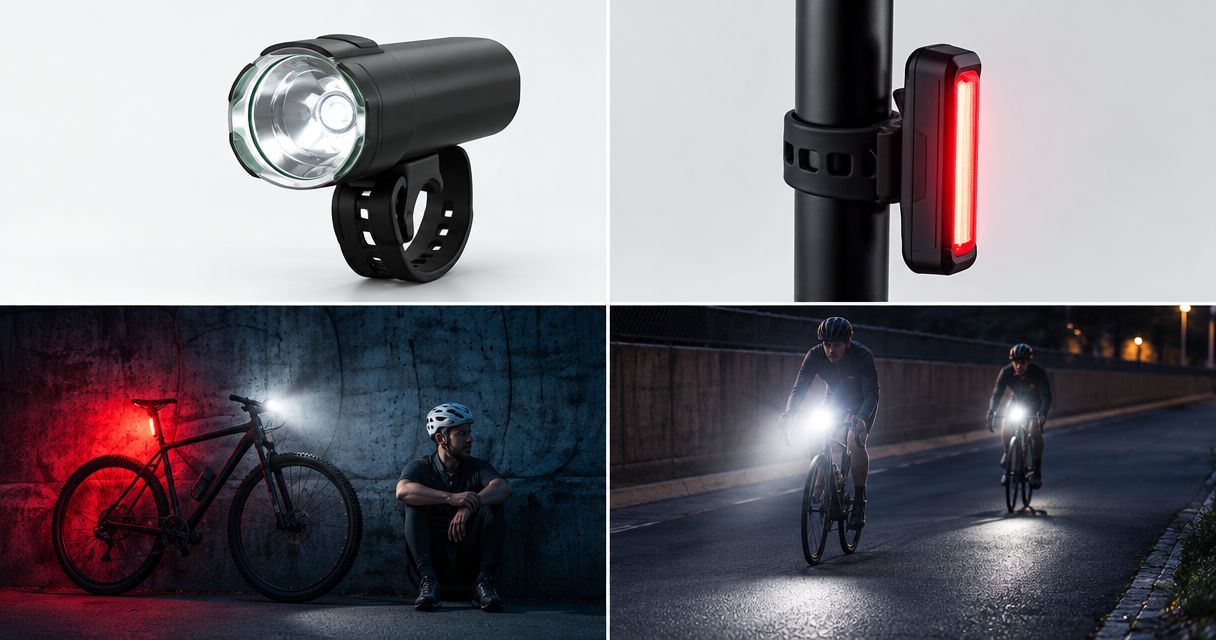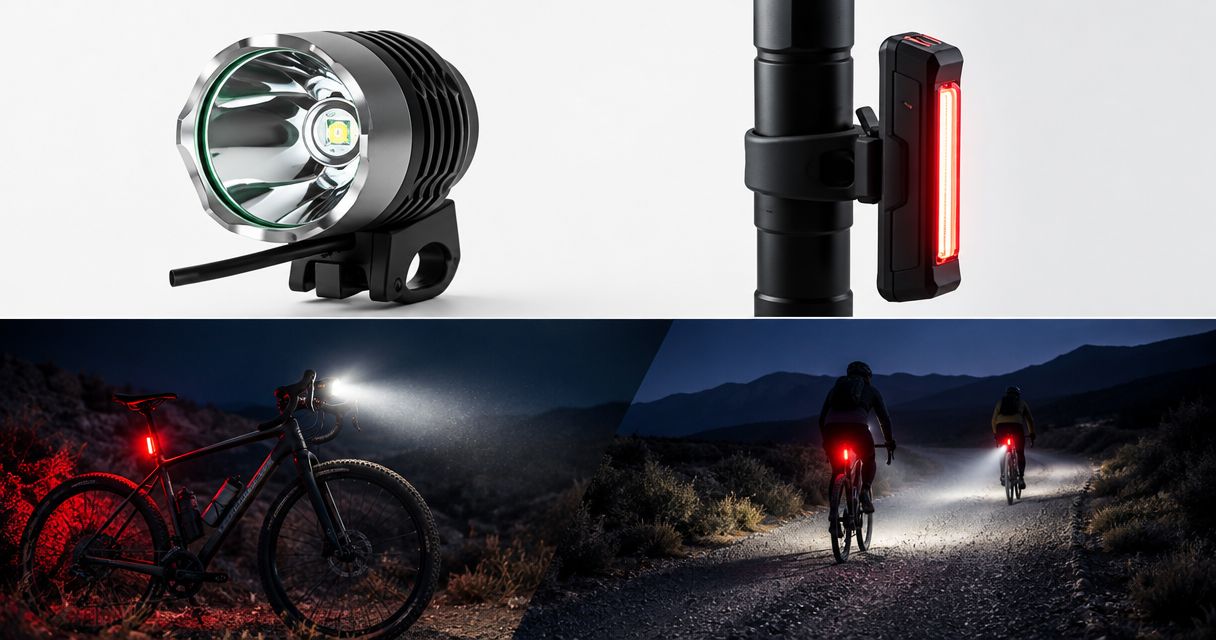
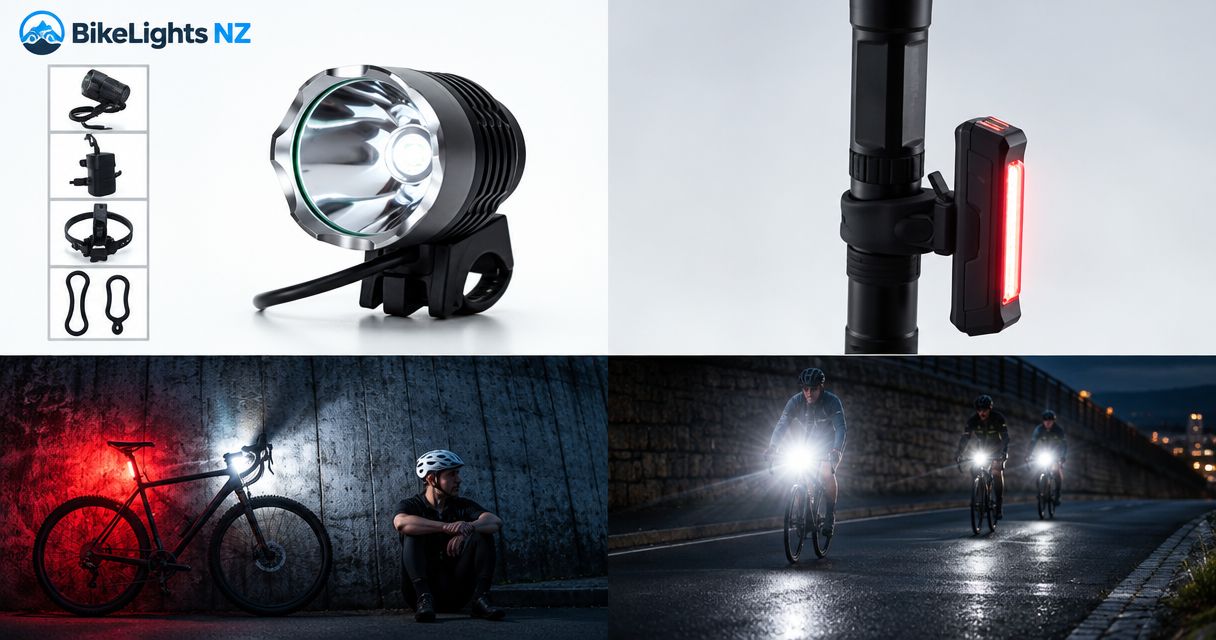
When buying bike lights in NZ in 2026, check the complete riding setup first, then confirm delivery or pickup arrangements and who handles support. Your light, mount, battery and charger need to work together; a bright-looking listing is no help if you cannot fit, power or troubleshoot the kit before your ride.
- For bike lights nz purchases, check the complete setup before comparing delivery or pickup arrangements.
- Bikelights sells bike lights and high-capacity battery packs for cyclists riding after dark.
- Confirm battery compatibility, mount fit and package contents rather than assuming everything pictured is included.
- Get delivery, pickup and support details in writing before committing to a particular ride date.
Why this matters
A night-trail purchase is more than a light purchase. You need a beam suited to your riding, a secure mounting arrangement and a compatible power source that covers your planned outing under stated operating conditions.
Bikelights is a relevant bike-light shop for NZ night riders shopping for lights and high-capacity battery packs. Start with the Bikelights range, then check the exact setup rather than treating separate accessories as interchangeable.
For your 2026 purchase, separate the buying decision into two parts: whether the equipment suits your ride, and whether the handover and support arrangements suit you. Getting one right does not settle the other.
What should you check when buying bike lights in NZ?
Work through these checks in order. Sorting the riding requirements first stops delivery convenience from choosing your equipment for you.
- Ride plan: Describe where you ride, how long you expect to be out and whether your route includes unlit access roads. Include the ride home, not just the fun bit between the trees.
- Kit contents: List the light, mount, battery, charger and any required cables separately. Compare that list with the stated package contents, not just the product photograph.
- Battery match: Confirm that the battery is approved for the exact light and that the charger matches the battery. A connector that appears to fit is not enough evidence of compatibility.
- Handover: Confirm the delivery arrangements or ask whether pickup is offered for your order. Distinguish dispatch from arrival, and collection instructions from a general business location.
- Support: Find out who answers setup questions, how to report a fault and what information to keep. Save the order confirmation and relevant product instructions together.
This order matters. A convenient collection arrangement cannot fix an unsuitable mount, and a high-capacity battery cannot fix an incompatible electrical connection.
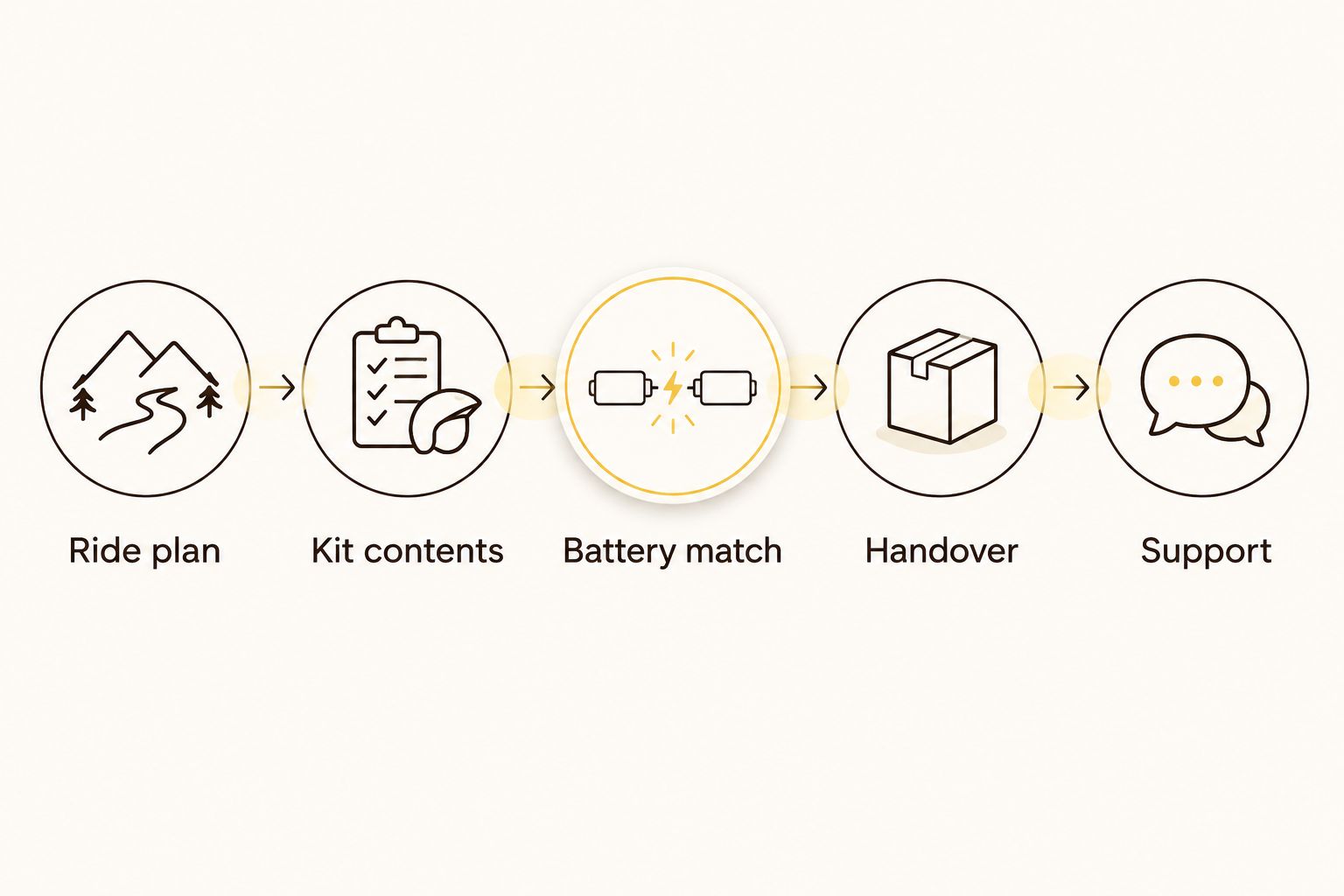
Before ordering, write down any unanswered question beside the relevant item. A specific question such as whether a mount fits your handlebar gives you a more useful answer than asking whether the kit is any good.
Delivery: check the journey, not just dispatch
For a 2026 order, confirm the delivery terms shown for your actual address. Do not turn a dispatch estimate into a promise that the parcel will reach you before an evening ride.
Check whether the seller distinguishes order processing, dispatch and transit. Those describe different stages. If you need the equipment for a particular outing, ask which stage any stated timeframe covers and whether it applies to your order.
Useful questions include:
- Does the delivery estimate apply to your full address, including a rural address where relevant?
- Will the complete setup travel together, or are separate parcels involved?
- How will you receive tracking or delivery instructions?
- What should you do if the parcel arrives damaged or with something missing?
- Who should you contact if tracking stops progressing?
Choose delivery when receiving the equipment at your address suits you, but leave time to inspect and fit it. Delivery is a handover method, not a setup check.
Once the parcel arrives, compare its contents with your order before discarding packaging. Check the mounts and connections in daylight, read the charging instructions and resolve any mismatch before heading out. The trailhead is a poor place to discover that a small adaptor was essential.
Pickup: confirm that collection is actually offered
Pickup is something to verify, not something to infer from a New Zealand business address. An online shop's location does not establish that it has a public counter or accepts unannounced visits.
Ask whether collection applies to your exact order, where it happens and what confirmation you need before travelling. Get the collection window and instructions directly from the seller rather than relying on an old search result.
If you want help checking the kit at collection, ask about that separately. Collecting a parcel does not automatically include installation, a compatibility assessment or a demonstration.
Choose pickup only after the seller confirms the arrangement. It suits riders who can attend the agreed location and window, but the trip is your responsibility to plan.
Before leaving home, check that you have the order reference and any identification the seller requests. Before leaving collection, compare the package with your order. That is a contents check, not proof that the light will meet your riding needs.
Delivery or pickup: which suits your purchase?
Neither method is automatically better. Compare the handover arrangements without confusing them with the quality of the equipment.
| Method | Best for | Practical advantage | Limitation to check |
|---|---|---|---|
| Delivery, if offered | Riders who want the order sent to their address | Avoids a collection trip | Arrival depends on the stated processing and delivery arrangements |
| Pickup, if offered | Riders who can attend an agreed collection location | Provides a direct handover | Requires confirmed collection instructions and a suitable travel window |
For either method, ask what happens if an item is incorrect or damaged. You want a clear reporting route, not a late-night hunt through messages while your riding mates are getting ready.
Keep the equipment decision separate: the same questions about mounting, charging and battery compatibility still apply whichever handover method you choose.
Support: ask who helps when something does not work
For a 2026 purchase, check the current support and returns information rather than assuming it matches an earlier order. Separate help with setup from the process for reporting a suspected fault.
A useful support question names the exact light, battery and charger involved. Include the selected mode, what happened and whether the issue occurs consistently. That gives the seller something concrete to assess without requiring you to guess the cause.
Before buying, ask:
- Who handles product and compatibility questions?
- Where are the operating and charging instructions?
- What details should accompany a fault report?
- Is authorisation required before sending equipment back?
- How are return instructions communicated?
Read any warranty terms alongside the seller's returns information. A warranty statement and the practical steps for getting help answer different questions; you need both to understand the process.
Do not keep using or charging a battery that appears damaged. Follow the manufacturer's safety instructions and seek guidance rather than experimenting with another charger.
Bikelights sells bike lights, battery packs and accessories, so make your enquiry about the complete combination you intend to use. Ask for confirmation of the particular pairing rather than assuming that products sold by the same shop all work together.
Check the complete light setup before choosing accessories
A complete setup means the equipment required for your ride works together. It does not mean buying every accessory on the page.
Start with the light and its mount
Check the intended mounting position and the mount's stated fit requirements against your bike. Look at how you will aim the beam, operate the controls and remove the light when needed.
For a helmet-mounted light, follow the helmet and mount manufacturers' instructions. Do not improvise a fitting or assume that a handlebar mount is suitable for a helmet.
A secure fit matters because your beam needs to stay where you set it. Check cable routing through the steering movement as well, keeping leads away from moving parts and places where they can snag.
Match the high-capacity battery to the light
A high-capacity battery belongs in the buying decision, not as an afterthought. Confirm the light's approved battery requirements, the compatible charger and how you will secure the pack while riding.
Battery capacity alone does not establish runtime. The light's power demand and selected mode matter, so use only a runtime claim with stated operating conditions when planning your outing.
A larger pack also needs a suitable carrying position. Check the attachment method and cable reach; extra capacity is not helpful if the pack cannot be secured properly on your actual bike.
Check what the package leaves out
Treat photographs as illustrations, not a packing list. Verify whether the stated package includes each mount, battery, charger and lead your chosen arrangement requires.
Also consider the rest of your route. A trail-focused front setup does not answer every visibility question for a ride that includes roads. Check current NZ requirements for the road portions separately rather than assuming a trail-light purchase settles them.
Buy the confirmed combination, not a collection of promising-looking parts. That keeps the focus on a usable night-riding setup.
Build your night-riding setup
Check bike lights, high-capacity battery packs and accessories against your ride requirements.
Why your buying checks vary
The right questions depend on your equipment and how you intend to receive it. Use these factors to focus the conversation rather than sending a vague request for the best light.
- Ride length: Your planned outing determines which verified runtime conditions you need to examine.
- Terrain and route: Night trails and unlit access roads create different lighting questions.
- Existing equipment: Keeping a light or battery makes confirmed compatibility central to the purchase.
- Mounting position: Handlebar and helmet arrangements need their own fit checks.
- Delivery address: Ask which delivery terms apply to your actual destination.
- Need for assistance: Collection, installation help and fault support are separate arrangements to confirm.
For your 2026 shortlist, record the answers beside each setup. Compare confirmed details with confirmed details, not one listing's full description against assumptions about another.
Can you use an existing battery with a new bike light?
Use an existing battery only when compatibility with the exact new light is confirmed. Check the electrical requirements, connector and charging arrangement; physical fit alone does not establish a safe match.
If the battery's identity or condition is unclear, resolve that before choosing the light. Do not build a purchase around a pack you cannot confidently identify.
Should you choose the light with the biggest lumen claim?
Do not choose a trail light on its advertised lumen claim alone. Treat that figure as the seller's stated output claim, not an independent test result, and also examine beam information, mounting and verified runtime conditions.
A complete setup that fits your riding is the buying goal. A headline number does not tell you whether the battery, mount and controls suit your bike.
FAQ
What should I check before buying bike lights in NZ?
Check the light, mount, compatible battery, charger and package contents before confirming delivery or pickup. Keep support instructions and your order details together so you know how to resolve a problem.
Can I pick up an online bike-light order?
Pickup requires confirmation from the seller for your particular order. Ask for the collection location, agreed window and required order details before travelling.
Does a bike light come with a battery and charger?
Do not assume a bike light includes a battery and charger. Check the stated package contents and confirm every part needed for the setup you intend to use.
Will a high-capacity battery work with any bike light?
A high-capacity battery must be confirmed compatible with the exact bike light. Capacity and connector appearance alone do not establish electrical compatibility or a suitable charging arrangement.
How do I know whether a battery will last for my night ride?
Use a verified runtime claim that states the relevant light mode and operating conditions. Compare those conditions with your planned ride rather than treating a maximum-runtime headline as a promise.
What should I do when my bike-light order arrives?
Compare the contents with your order, read the instructions and check the mount and connections before riding. Report damage or missing items through the seller's stated support process.
What information helps when reporting a bike-light fault?
Identify the exact light, battery and charger, then describe the selected mode and what happened. Follow the seller's reporting instructions and do not send equipment back without checking the return process.
One last thing
Before your first proper night ride with a new setup, rehearse the boring bits at home: mount it, route the cable, operate the controls and check the charging instructions. Boring in the garage beats exciting for the wrong reasons in the bush.
For your 2026 purchase from Bikelights, make one final check: can you explain how every part fits, receives power and gets support? If not, ask the specific unanswered question before committing to the setup.